
Call: 08045816914
 Send Inquiry
 Send Inquiry
ATMEGA128A-AU 8-bit Microcontroller
Price 250 INR/ Piece
MOQ : 25 Pieces
ATMEGA128A-AU 8-bit Microcontroller Specification
- Power Source
- External DC supply
- Components
- CPU core, Flash, SRAM, EEPROM, Timers, Serial interfaces
- Usage
- Embedded control systems, robotics, consumer electronics
- IP Rating
- Not rated
- Input
- Digital I/O, Analog input (ADC)
- Interface
- SPI, I2C (TWI), USART, JTAG
- Processor Speed
- 16 MHz maximum
- Sensors Specification
- Not integrated
- Response Time
- <1 s instruction cycle
- Operating Temperature
- -40C to +85C
- Power Supply
- 2.7V to 5.5V
- Features
- Low power, high performance, in-system programmable, multiple communication interfaces
- Output
- Digital output, PWM
- Resolution
- 10-bit ADC
- Product Type
- Microcontroller
- Application
- Industrial, automotive, home automation, instrumentation
- Rated Voltage
- 5V
- Supply Voltage
- 2.7V to 5.5V
- Size
- TQFP-64, 12mm x 12mm
- Dimension (L*W*H)
- 12mm x 12mm x 1mm (typical)
- Function
- 8-bit Microcontroller
- Color
- Black
- Weight
- Approx. 1g
- Thickness
- Standard TQFP-64 package thickness
- Current Rating
- Operating current up to 15 mA at 5V
- Capacity
- 128KB Flash memory
- Frequency
- Up to 16 MHz
- USART
- 2 USART interfaces
- Oscillator
- Crystal, ceramic resonator or external clock supported
- PWM Channels
- 6
- Programming
- In-System Programming via SPI
- Flash Memory
- 128KB In-System Self-Programmable Flash
- SRAM
- 4KB
- Timers
- 4 (2x 8-bit, 2x 16-bit)
- Operating Mode
- Idle, Power-down, Power-save, Standby, Extended Standby
- JTAG Interface
- Supported for on-chip debugging
- Package Type
- TQFP-64
- Number of I/O Pins
- 53
- ADC Channels
- 8 channels (10-bit resolution)
- EEPROM
- 4KB
- Watchdog Timer
- Yes, with separate on-chip oscillator
ATMEGA128A-AU 8-bit Microcontroller Trade Information
- Minimum Order Quantity
- 25 Pieces
- Supply Ability
- 2 Pieces Per Week
- Delivery Time
- 2 Week
- Main Domestic Market
- All India
About ATMEGA128A-AU 8-bit Microcontroller
Manufacturer: Microchip Product Category: 8-bit Microcontrollers - MCU RoHS: Details Core: AVR Program Memory Size: 128 kB Data RAM Size: 4 kB Package/Case: TQFP-64 Maximum Clock Frequency: 16 MHz ADC Resolution: 10 bit Number of I/Os: 53 I/O Supply Voltage - Min: 2.7 V Supply Voltage - Max: 5.5 V Mounting Style: SMD/SMT Data Bus Width: 8 bit Minimum Operating Temperature: - 40 C Maximum Operating Temperature: + 105 C Series: ATmega128A Packaging: Tray Brand: Microchip Technology Data RAM Type: SRAM Data ROM Size: 4 kB Data ROM Type: EEPROM Height: 1 mm Interface Type: JTAG Length: 14 mm Moisture Sensitive: Yes Number of ADC Channels: 8 Channel Number of Timers/Counters: 4 Timer Processor Series: megaAVR Product: MCUs Product Type: 8-bit Microcontrollers - MCU Program Memory Type: Flash 90 Subcategory: Microcontrollers - MCU Tradename: AVR Width: 14 mm Unit Weight: 360.600 mgPowerful and Versatile Embedded Control
The ATMEGA128A-AU microcontroller comes equipped with ample 128KB Flash, versatile I/O, and robust connectivity options. With multiple timers, six PWM channels, and eight 10-bit ADC channels, it is capable of handling precise real-time tasks in demanding environments. Comprehensive communication interfaces like SPI, I2C, USART, and JTAG expand its compatibility across various embedded control applications.
Efficient Design and Reliable Performance
Designed for low-power consumption without compromising performance, the ATMEGA128A-AU supports advanced power-saving modes such as idle, power-down, and extended standby. Its swift instruction cycle and wide operating temperature range of -40C to +85C ensure reliability in industrial and automotive settings, while in-system programming via SPI and JTAG debug support streamline development and deployment.
FAQ's of ATMEGA128A-AU 8-bit Microcontroller:
Q: How can I program the ATMEGA128A-AU microcontroller?
A: Programming the ATMEGA128A-AU is achieved through In-System Programming (ISP) using the SPI interface. This allows firmware updates and code modification directly on the target hardware, eliminating the need to remove the chip from the circuit.Q: What are the main benefits of using the ATMEGA128A-AU in embedded applications?
A: The ATMEGA128A-AU offers high memory capacity, diverse I/O functionality, and multiple serial interfaces, making it suited for complex control systems. Its low power consumption, advanced power management modes, and on-chip programmable Flash deliver performance and flexibility for a range of embedded applications.Q: Where can the ATMEGA128A-AU be used?
A: This microcontroller is ideal for industrial control systems, robotics, home automation, automotive instrumentation, and consumer electronics due to its extensive I/O, analog and digital interfaces, and reliable long-term operation.Q: What is the process for in-system programming of this microcontroller?
A: To program the device in-system, connect the SPI lines (MOSI, MISO, SCK, and RESET) to a compatible programmer. Using dedicated software, you can upload firmware or modify code without removing the microcontroller from the PCB.Q: When should I use the power-saving modes of the ATMEGA128A-AU?
A: Power-saving modes like idle, power-down, and standby are recommended when you need to minimize energy consumption during periods of inactivity or when waiting for specific external events, extending battery life in portable or remote applications.Q: What interfaces are available for communication and debugging?
A: The ATMEGA128A-AU supports multiple interfaces including SPI, I2C (TWI), two USARTs for serial communication, and a JTAG interface for on-chip debugging and boundary scan testing, ensuring comprehensive connectivity throughout development and deployment.


Tell us about your requirement

Price:
Quantity
Select Unit
- 50
- 100
- 200
- 250
- 500
- 1000+
Additional detail
Mobile number
Email

More Products in Integrated Circuits Category
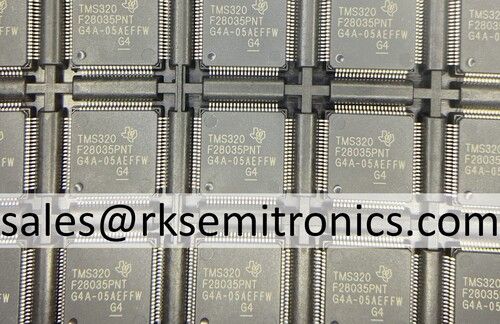
TMS320F28035PNT 32-Bit Microcontrollers
Price 450 INR / Piece
Minimum Order Quantity : 20 Pieces
Supply Voltage : 2.97V 3.63V
Operating Temperature : 40C to +105C
Size : 7 mm x 7 mm (package)
Function : Microcontroller Unit

LIF-MD6000-6MG81I IC
Price 850.00 INR / Piece
Minimum Order Quantity : 10 Pieces
Supply Voltage : 5V Volt (v)
Operating Temperature : 40C to +85C Celsius (oC)
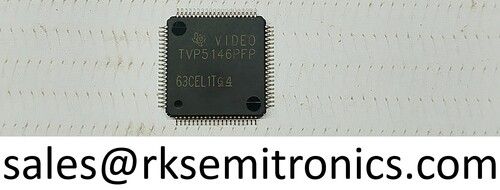
TVP5146PFP Video IC
Price 538.00 INR / Piece
Minimum Order Quantity : 10 Pieces
Supply Voltage : 5V 5% Volt (v)
Operating Temperature : 40C to +85C Celsius (oC)
Size : 10mm x 7.5mm x 1.75mm
Function : Video Processing & Decoding

Contact Details
RKSEMITRONICS
GST : 09BVBPG7557D1ZK
- C-149, 3rd Floor, Sector 10,Noida - 201301, Uttar Pradesh, India
- Phone :08045816914
 Send Inquiry


Developed and Managed by Infocom Network Private Limited.
